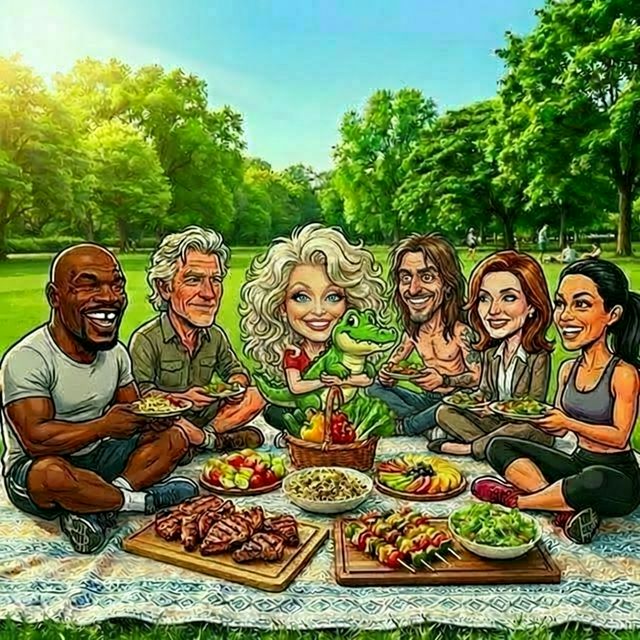
Hold onto your forks, folks.
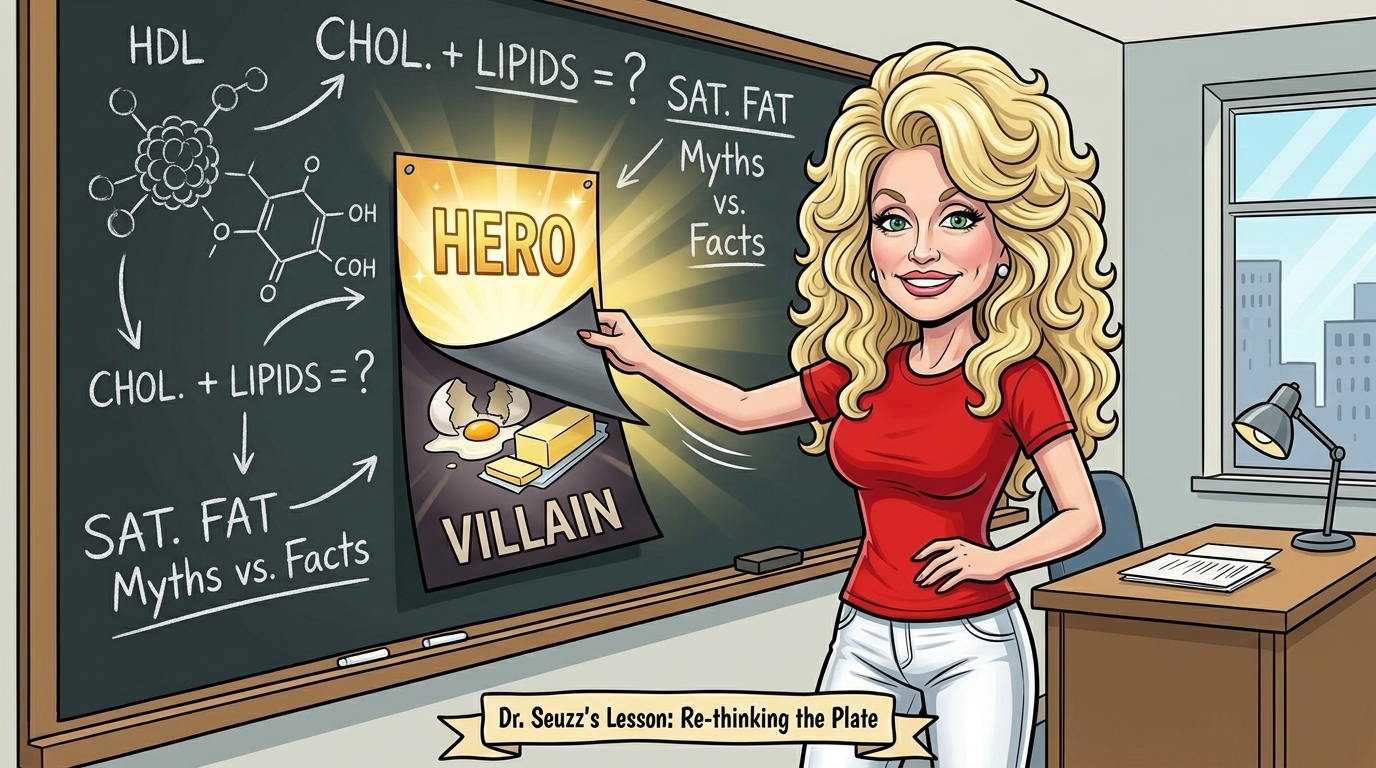
Remember when nutrition science felt like a game of "Who Can Confuse Us Most?" Butter was poison. Eggs were ticking time bombs. Potatoes? Forbidden carbs. Salt? A slow death in a shaker.
Turns out, the plot twist was real.
New research is flipping the script on foods that spent decades in the nutritional doghouse. Some of these redemption stories are rock-solid. Others are "promising but still cooking." Let's walk through six foods that went from "avoid at all costs" to "actually, this might save your life" — with the real science, no hype.
1. 🧈 Butter: The Comeback Kid
The Old Story: For 50 years, butter was the poster child for everything wrong with saturated fat. Heart disease, clogged arteries, the whole nine yards. Doctors told us to swap it for margarine (yes, the trans-fat kind — irony was alive and well).
The New Story: Butter's back, and science is saying "my bad."
A major 2014 analysis in the Annals of Internal Medicine pooled 76 studies and found no clear link between saturated fat and heart disease. Butter also delivers vitamin K2, which shuttles calcium to your bones (not your arteries) and supports brain health. Grass-fed butter? Even better — packed with butyrate (an anti-inflammatory fat) and omega-3s.
The Real Deal: Butter isn't a magic bullet, but it's not poison either. The villain label was oversimplified. Quality matters (grass-fed > factory-farmed), and context matters (butter on veggies vs. butter slathered on sugary toast).
Bottom Line: Butter's innocent — mostly. Use it like a condiment, not a main event.
2. 🥚 Eggs: The Breakfast Redemption
The Old Story: In the '90s, eggs were called "cholesterol bombs." One egg = 186mg of cholesterol = heart attack waiting to happen. People ate egg whites only, tossing the yolk like it was radioactive.
The New Story: Turns out, dietary cholesterol doesn't hit your blood cholesterol the way we thought.
For most people, eating eggs raises HDL (the "good" cholesterol) and doesn't spike heart disease risk. Eggs are also loaded with choline (brain fuel), lutein (eye protection), and high-quality protein — and emerging research links regular egg intake with better cognitive performance in older adults.
The Real Deal: If you have primary hypercholesterolemia (genetic high cholesterol) or are on lipid meds, talk to your doc. For everyone else? 1-2 eggs a day is fine. The yolk is where the nutrients live — don't toss it.
Bottom Line: Eggs are nutritional powerhouses. The cholesterol panic was mostly noise.
3. 🥔 Potatoes: The Satiety Kings
The Old Story: Low-carb hysteria made potatoes the enemy. "It's just white starch!" "It spikes your blood sugar!" "You might as well eat bread!"
The New Story: Potatoes are the most satiating food on the planet. Period.
The landmark 1995 Satiety Index study (Holt et al., University of Sydney) tested 38 foods and ranked them by how full they made people feel. Boiled potatoes scored 323% — more than triple the fullness of white bread. They beat out steak, fish, and oats. Why? High water content, resistant starch, and a ton of nutrients per calorie.
The Real Deal: Preparation matters. Boiled or baked with skin? Satiety king. Deep-fried as fries with a side of ketchup? Less so. Potatoes are nutrient-dense (vitamin C, potassium, fiber) — the way you eat them changes everything.
Bottom Line: Potatoes aren't the enemy. Your fry addiction might be. Boil 'em, bake 'em, don't deep-fry 'em.
4. 🥥 Coconut Oil: The Promising Player
The Old Story: Coconut oil was banned as a "saturated fat villain" — right up there with butter and lard. Health gurus warned it would clog your arteries faster than a grease trap.
The New Story: Coconut oil contains MCTs (medium-chain triglycerides), which your liver converts into ketones — an alternative fuel for your brain when glucose metabolism goes wonky.
Alzheimer's researchers are studying ketones as "brain fuel restoration" because Alzheimer's brains struggle to use glucose. Early studies show MCT oil can improve cognitive function in mild cognitive impairment. The mechanism is solid — ketones bypass the glucose problem.
The Real Deal: This one's still cooking. The theory is strong, but large-scale clinical trials on coconut oil specifically for Alzheimer's are still emerging. Some studies show benefit, others say "more research needed." It's promising, not proven.
Bottom Line: Coconut oil might be brain medicine, but we're still running the tests. Worth trying, but don't expect miracles.
5. 🧂 Salt: The Misunderstood Mineral
The Old Story: Salt = high blood pressure = heart attack. Everyone was told to cut sodium to 1,500mg/day. Salt shakers were banned from hospital cafeterias.
The New Story: Sugar might be the bigger hypertension villain.
Research shows fructose (from added sugars) drives blood pressure up by interfering with kidney function and increasing uric acid. Meanwhile, the salt-blood pressure link is weaker than we thought. A 2014 Open Heart analysis argued sugar is the "wrong white crystal."
The Real Deal: This is controversial. Major health orgs still recommend reducing sodium — and if your doctor has you on a low-sodium plan, listen to your doctor. But the "salt is the enemy" narrative is oversimplified. The real problem is ultra-processed foods loaded with hidden sodium AND sugar.
Bottom Line: Don't fear sea salt. Fear the sugary, ultra-processed junk that comes with it.
6. ☕️ Coffee: The Life-Extending Elixir
The Old Story: In the '90s, coffee was listed as a "possible carcinogen" by the IARC. Parents told kids to avoid it. Pregnant women were told to quit. It was jittery, dehydrating, heart-stress in a mug.
The New Story: Coffee drinkers live longer.
A 2022 study of more than 170,000 UK adults, published in the Annals of Internal Medicine, found coffee consumption linked to reduced risk of death over seven years — even lightly sweetened coffee. Coffee is packed with antioxidants and polyphenols, and research links it to lower liver cancer and diabetes risk.
The Real Deal: The IARC dropped coffee from its "possible carcinogen" list in 2016. The caveat? Don't load it with sugar and artificial creamer — that negates the benefits. Black or with a splash of milk? That's the life-extending stuff.
Bottom Line: Coffee isn't just safe — it's protective. Drink it (mostly) black.
The Big Picture: Food Isn't Binary
Here's the thing: nutrition science isn't about villains and heroes. It's about context, quality, and your body's unique needs.
These six foods went from "avoid" to "embrace" because science evolved. That's not weakness — that's integrity. The old studies weren't "wrong" for their time; they were incomplete. New tools, bigger samples, and better methods revealed the full picture.
The New Food Pyramid isn't about rigid rules. It's about:
- Whole foods over ultra-processed
- Quality over quantity
- Context over dogma
- Your body over one-size-fits-all
So go ahead — butter that sweet potato. Crack an egg. Sip your coffee black. Just skip the sugary, ultra-processed junk that's still doing the real damage.
Your body knows what to do. We're just finally catching up. 🐊
Download Rock The New Food Pyramid. Scan your groceries. Know what you're feeding your family.
References
Chowdhury, R., Warnakula, S., Kunutsor, S., et al. (2014). Association of dietary, circulating, and supplement fatty acids with coronary risk: a systematic review and meta-analysis. Annals of Internal Medicine, 160(6), 398-406.
Harvard Health Publishing. (2022). Eggs have less effect than saturated fats on cholesterol levels.
Holt, S. H., Miller, J. C., Petocz, P., & Farmakalidis, E. (1995). A satiety index of common foods. European Journal of Clinical Nutrition, 49(9), 675-690.
Bansal, N., et al. (2024). Impact of coconut oil and its bioactive metabolites in Alzheimer's disease and dementia. Diseases, 12.
DiNicolantonio, J. J., & Lucan, S. C. (2014). The wrong white crystals: not salt but sugar as aetiological in hypertension and cardiometabolic disease. Open Heart, 1(1), e000167.
Liu, D., et al. (2022). Association of sugar-sweetened, artificially sweetened, and unsweetened coffee consumption with all-cause and cause-specific mortality. Annals of Internal Medicine, 175(7), 909-917.
Rock The New Food Pyramid — Scan. Know. Choose Better.